
"Middle Eastern coffee"
1000 article(s) found

Introduction to the characteristics and varieties of Nicaraguan Coffee Flavor and Manor
Nicaragua is located in central Central America, bordered by the Pacific Ocean to the west and the Caribbean Sea to the east. The highlands in the north and the coastal plains in the east are part of the Central American volcanic belt. The eastern plain is high-temperature and rainy, with a tropical maritime climate. The suitable climate provides an excellent growth environment for the cultivation of coffee. High-quality Nicaraguan coffee, grown in the north and middle of the country. Coffee is Ni.

Rich aroma, smooth and meticulous Nicaraguan coffee flavor taste manor characteristics of boutique coffee
Nicaragua is located in central Central America, bordered by the Pacific Ocean to the west and the Caribbean Sea to the east. The highlands in the north and the coastal plains in the east are part of the Central American volcanic belt. The eastern plain is high-temperature and rainy, with a tropical maritime climate. The suitable climate provides an excellent growth environment for the cultivation of coffee. High-quality Nicaraguan coffee, grown in the north and middle of the country. Coffee is Ni.

Flavor and taste characteristics of coffee manor in Ecuador introduction to Galapagos Coffee
Central mountain: after entering Ecuador from Colombia, the Andes is divided into the eastern and western Cordillera mountains, with a plateau high in the north and low in the south, averaging between 2500 and 3000 meters above sea level. The Andes run through the middle of the border. The ridges crisscross, dividing the plateau into more than ten intermountain basins. The most important are the Quito basin and the Cuenca basin in the south. Volcanic crowds in the territory

The bitter Coffee Flavor of Nicaraguan Heavenly Manor Coffee Flavor and Taste production area
Nicaragua is located in central Central America, bordered by the Pacific Ocean to the west and the Caribbean Sea to the east. The highlands in the north and the coastal plains in the east are part of the Central American volcanic belt. The eastern plain is high-temperature and rainy, with a tropical maritime climate. The suitable climate provides an excellent growth environment for the cultivation of coffee. High-quality Nicaraguan coffee, grown in the north and middle of the country. Coffee is Ni.

What are the main nutrients of coffee beans?
Coffee was planted in large numbers by Arabs in the 12th and 3rd centuries, and the world's first coffee shop was born in Damascus in the Middle East in the 16th century (1530). In just a few years, from the ancient Constantinople to the Caucasus, from the Persian Gulf to Budapest, and more than 200 cities throughout the empire had different numbers of coffee shops, and those cities were connected through the sand.

Fragrant and delicious Happy Manor Coffee Flavor and Taste introduce the characteristics of boutique coffee in the producing area
Nicaragua is located in central Central America, bordering the Pacific Ocean on the west and the sea on the east. The highlands in the north and the coastal plains in the east are part of the Central American volcanic belt. The eastern plain is high-temperature and rainy, with a tropical maritime climate. The suitable climate provides an excellent growth environment for the cultivation of coffee. High-quality Nicaraguan coffee, grown in the north and middle of the country. Coffee

Introduction to the description of the Flavor of High-quality Coffee beans in the Coffee Variety producing area of Joy Manor, Nicaragua
Nicaragua is located in central Central America, bordered by the Pacific Ocean to the west and the Caribbean Sea to the east. The highlands in the north and the coastal plains in the east are part of the Central American volcanic belt. The eastern plain is high-temperature and rainy, with a tropical maritime climate. The suitable climate provides an excellent growth environment for the cultivation of coffee. High-quality Nicaraguan coffee, grown in the north and middle of the country. Coffee is Ni.

Introduction to the method of describing the taste and flavor of Nicaraguan coffee varieties
Nicaragua is located in central Central America, bordered by the Pacific Ocean to the west and the Caribbean Sea to the east. The highlands in the north and the coastal plains in the east are part of the Central American volcanic belt. The eastern plain is high-temperature and rainy, with a tropical maritime climate. The suitable climate provides an excellent growth environment for the cultivation of coffee. High-quality Nicaraguan coffee, grown in the north and middle of the country. Coffee is Ni.

The most graceful and luxurious breakfast of Turkish coffee
Turkish coffee, also known as Arabica coffee, is the ancestor of European coffee, which has a history of 700 to 800 years.

A brief introduction to the origin, development, history and culture of Nicaraguan boutique coffee beans with mild taste
Nicaragua is located in central Central America, bordered by the Pacific Ocean to the west and the Caribbean Sea to the east. The highlands in the north and the coastal plains in the east are part of the Central American volcanic belt. The eastern plain is high-temperature and rainy, with a tropical maritime climate. The suitable climate provides an excellent growth environment for the cultivation of coffee. High-quality Nicaraguan coffee, grown in the north and middle of the country. Coffee is Ni.

Detailed introduction of the method of Variety treatment in African Coffee producing areas in Rwanda
African Rwanda Coffee Inland Eastern Africa the country of Rwanda is located in the middle of the continent, not far from Kenya, one of the world's leading coffee countries. It was not until the early 20th century that the first coffee trees arrived in Rwanda, but it was another three decades before Rwanda's coffee production began to take off. A desolate country that developed coffee culture under the impact of the war. After the war subsided, farmers

Fragrant Ecuadorian Coffee Manor flavor and taste characteristics of fine coffee beans
Central mountain: after entering Ecuador from Colombia, the Andes is divided into the eastern and western Cordillera mountains, with a plateau high in the north and low in the south, averaging between 2500 and 3000 meters above sea level. The Andes run through the middle of the border. The ridges crisscross, dividing the plateau into more than ten intermountain basins. The most important are the Quito basin and the Cuenca basin in the south. Volcanic crowds in the territory

Characteristics of coffee beans in Tanzania
When Pangu opened, in 1898, bourbon coffee was introduced by Catholic priests to the Kilimanjaro region of Tanzania. Then Kent was introduced to Tanzania in 1920, with the excellent pedigree of the Middle Eastern non-washed bean family, bright acidity, rich and irritating flavor. Kenyan coffee is undoubtedly the leader in this family, but Tansan

Coffee flavor and taste characteristics of Santa Cruz Manor in Ecuador
Central mountain: after entering Ecuador from Colombia, the Andes is divided into the eastern and western Cordillera mountains, with a plateau high in the north and low in the south, averaging between 2500 and 3000 meters above sea level. The Andes run through the middle of the border. The ridges crisscross, dividing the plateau into more than ten intermountain basins. The most important are the Quito basin and the Cuenca basin in the south. Volcanic crowds in the territory
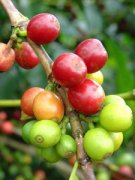
Allegre Manor Vista, Brazil
Although coffee is diverse, Brazilian coffee is suitable for the taste of the public. For example, coffee produced in the northern coastal areas has a typical iodine taste, reminiscent of the sea after drinking. This coffee is exported to North America, the Middle East and Eastern Europe. Another kind of coffee that is interesting and worth looking for is washed Bahia. This kind of coffee is not easy to find, because after the United States

Introduction to the flavor and taste of Ecuadorian coffee manor with a unique flavor
Central mountain: after entering Ecuador from Colombia, the Andes is divided into the eastern and western Cordillera mountains, with a plateau high in the north and low in the south, averaging between 2500 and 3000 meters above sea level. The Andes run through the middle of the border. The ridges crisscross, dividing the plateau into more than ten intermountain basins. The most important are the Quito basin and the Cuenca basin in the south. Volcanic crowds in the territory

Coffee varieties Popular coffee Brazilian coffee
Although coffee is diverse, Brazilian coffee is suitable for the taste of the masses. For example: coffee produced in northern coastal areas has a typical iodine taste, reminiscent of the sea after drinking. This coffee is exported to North America, the Middle East and Eastern Europe. Another coffee that is fun and worth pursuing is rinsed Bahia. This coffee is not easy to find, because after America

The musk smell of Turkish coffee is fascinating.
There is a Turkish proverb: "drink your cup of Turkish coffee, remember your friendship for forty years."

Fragrant Ecuadorian Coffee Flavor Manor to introduce the characteristics of boutique coffee beans
Central mountain: after entering Ecuador from Colombia, the Andes is divided into the eastern and western Cordillera mountains, with a plateau high in the north and low in the south, averaging between 2500 and 3000 meters above sea level. The Andes run through the middle of the border. The ridges crisscross, dividing the plateau into more than ten intermountain basins. The most important are the Quito basin and the Cuenca basin in the south. Volcanic crowds in the territory